

The Rise of Enzymes in the Clean Label
Movement Across Industries
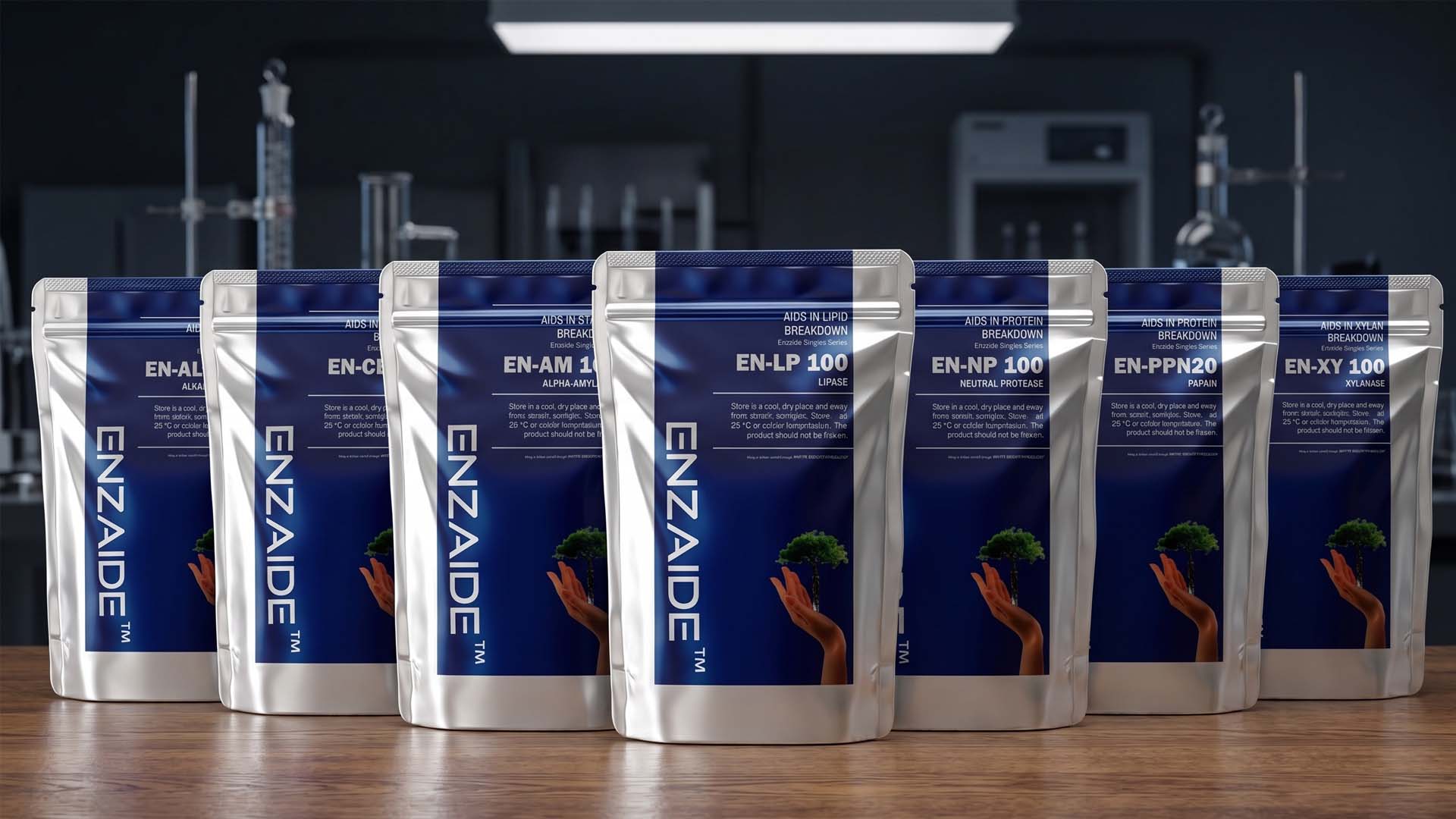
Consumers today are paying closer attention to ingredient labels than ever before. Across food, personal care, and industrial applications, brands are under growing pressure to replace synthetic chemicals with safer, simpler, and more sustainable alternatives. This shift has accelerated the global clean label movement — and enzymes are emerging as one of its most important technologies.
Kensing Solutions presented antioxidant solutions for food and beverage through Orn Sirikantaramas, addressing current challenges and opportunities.

Daepyung Co., Ltd. shared insights on stevia and glucosylated steviol glycosides, with discussions led by Mr. Tyler Yoon and Mr. Park Myoung-Jin.

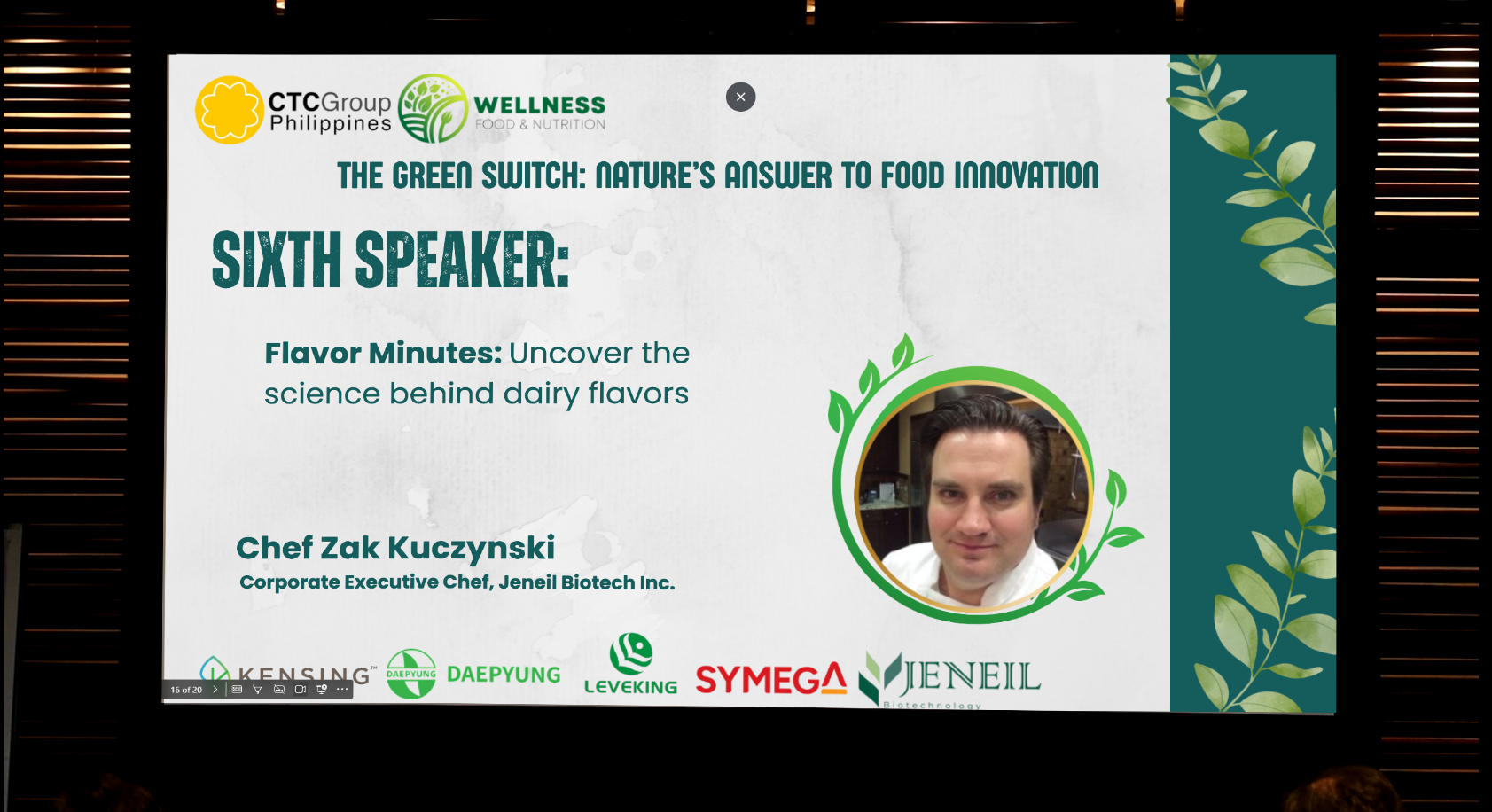
Leveking, represented by Devin Dong, introduced natural preservatives through fermentation, focusing on clean-label innovations.
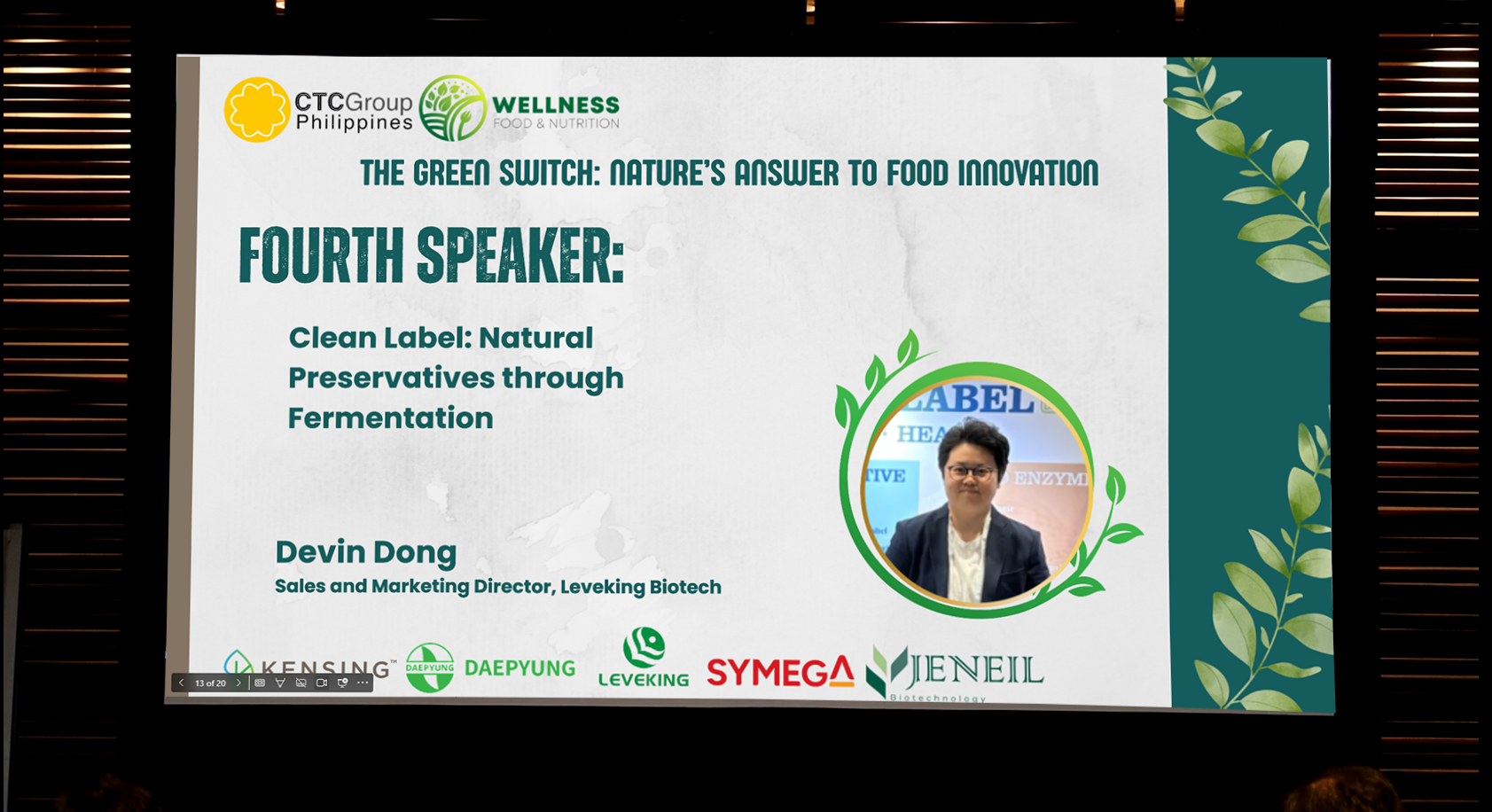
Symega’s Mr. Santosh Kumar is unlocking the world of natural colors.
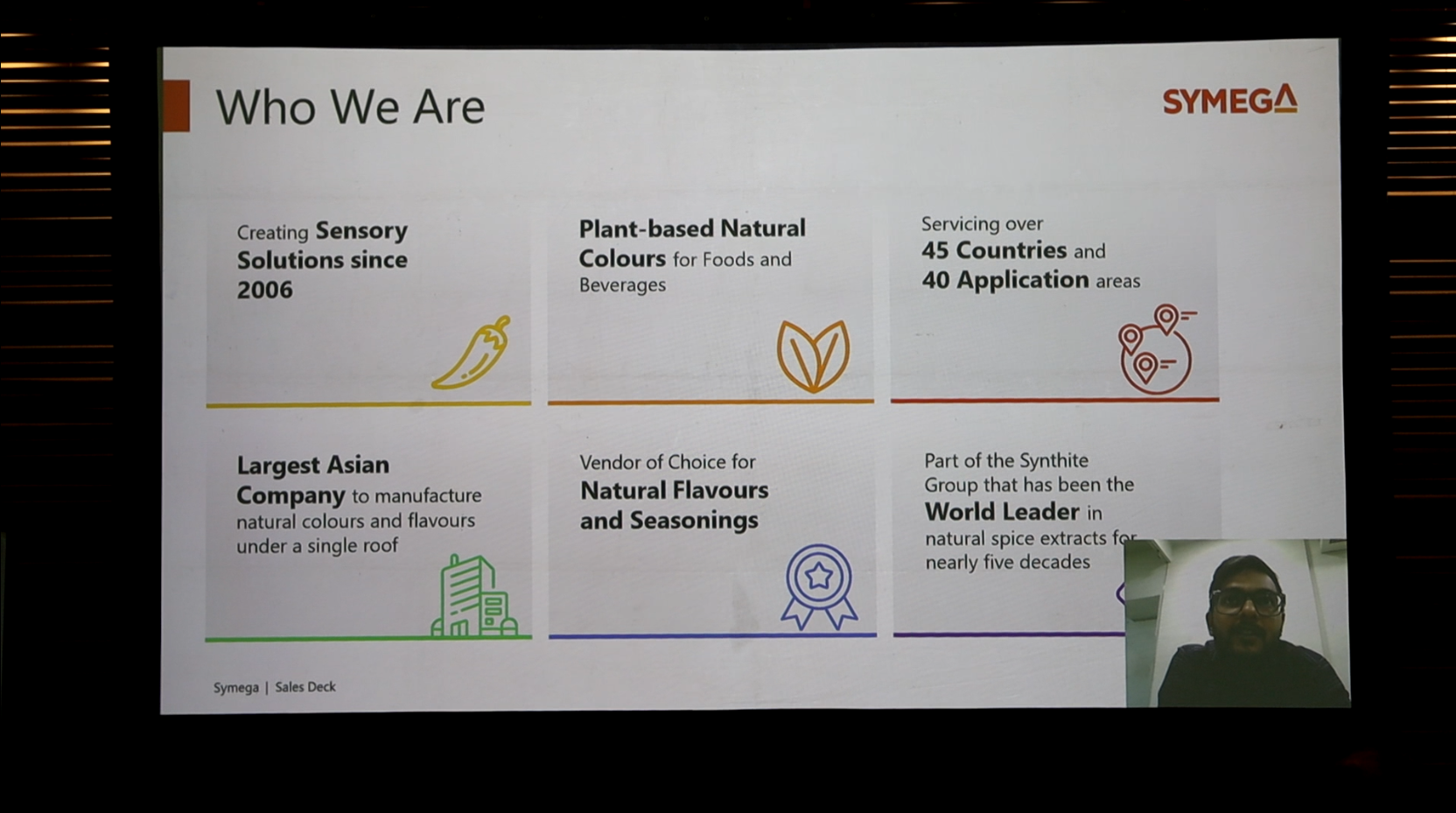
Chef Zak Kuczynski of Jeneil Biotech Inc.
Highlighted the science behind dairy flavors.
Highlighted the science behind dairy flavors.
Enzymes are naturally occurring proteins that speed up biochemical reactions. Because they are biodegradable, highly efficient, and often produced through fermentation, enzymes help manufacturers improve product performance while maintaining cleaner and more consumer-friendly formulations. As demand for transparency, sustainability, and minimally processed products continues to rise, enzymes are becoming essential across multiple industries.
Key Takeaways
The event concluded with closing remarks from Ms. Pamela Dealca, Business Director, thanking all attendees and partners for their valuable contributions.

The event concluded with closing remarks from Ms. Pamela Dealca, Business Director, thanking all attendees and partners for their valuable contributions.
The event concluded with closing remarks from Ms. Pamela Dealca, Business Director, thanking all attendees and partners for their valuable contributions.
Video Recap
Why Enzymes Fit the Clean Label Trend
Enzymes are naturally occurring proteins that speed up biochemical reactions. Because they are biodegradable, highly efficient, and often produced through fermentation, enzymes help manufacturers improve product performance while maintaining cleaner and more consumer-friendly formulations. As demand for transparency, sustainability, and minimally processed products continues to rise, enzymes are becoming essential across multiple industries.
The clean label movement is driven by several key consumer expectations:
- Shorter ingredient lists
- Fewer artificial additives
- Recognizable ingredients
- Sustainable production methods
- Greater transparency and traceability
- Shorter ingredient lists
- Fewer artificial additives
- Recognizable ingredients
- Sustainable production methods
- Greater transparency and traceability
Enzymes align naturally with these expectations because they can improve texture, stability, shelf life, and processing efficiency without relying heavily on synthetic chemicals or harsh additives.
Unlike traditional chemical solutions, enzymes work through natural biological processes. This allows manufacturers to simplify formulations while still achieving high product performance. Industry analysts continue to identify clean label enzymes as a major innovation driver, particularly within food and beverage manufacturing.
As ingredient scrutiny from both consumers and regulators increases globally, the clean label enzyme sector is expected to experience strong long-term growth.
Unlike traditional chemical solutions, enzymes work through natural biological processes. This allows manufacturers to simplify formulations while still achieving high product performance. Industry analysts continue to identify clean label enzymes as a major innovation driver, particularly within food and beverage manufacturing.
As ingredient scrutiny from both consumers and regulators increases globally, the clean label enzyme sector is expected to experience strong long-term growth.
Enzymes Across Industries
Food & Beverage Applications
The food industry remains one of the largest users of enzymes. In meat processing, enzymes improve tenderness and texture while helping optimize production efficiency. In bakery applications, enzymes replace traditional dough conditioners and emulsifiers, helping maintain softness, freshness, and product consistency. Beverage manufacturers also use enzymes for juice clarification, brewing optimization, and improving the texture and stability of plant-based beverages. These applications help brands create cleaner labels without sacrificing quality or functionality.
The food industry remains one of the largest users of enzymes. In meat processing, enzymes improve tenderness and texture while helping optimize production efficiency. In bakery applications, enzymes replace traditional dough conditioners and emulsifiers, helping maintain softness, freshness, and product consistency. Beverage manufacturers also use enzymes for juice clarification, brewing optimization, and improving the texture and stability of plant-based beverages. These applications help brands create cleaner labels without sacrificing quality or functionality.
Cosmetics & Personal Care
The clean beauty movement has also increased enzyme adoption in skincare and personal care formulations. Enzymes are commonly used in exfoliating products, facial treatments, and skin-renewal applications because they offer gentle yet effective performance compared to more aggressive chemical alternatives. As consumers continue searching for naturally derived and skin-friendly ingredients, enzymes are becoming valuable components in modern cosmetic innovation.
The clean beauty movement has also increased enzyme adoption in skincare and personal care formulations. Enzymes are commonly used in exfoliating products, facial treatments, and skin-renewal applications because they offer gentle yet effective performance compared to more aggressive chemical alternatives. As consumers continue searching for naturally derived and skin-friendly ingredients, enzymes are becoming valuable components in modern cosmetic innovation.
Sustainability & Industrial Innovation
Beyond consumer products, enzymes are playing a growing role in sustainability-focused industrial solutions. In wastewater treatment, enzymes help reduce chemical usage while improving biodegradation efficiency. In detergents, they enable effective stain removal at lower washing temperatures, supporting energy-efficient and environmentally friendly formulations. These applications demonstrate how enzymes contribute not only to cleaner labels but also to broader sustainability goals.
Beyond consumer products, enzymes are playing a growing role in sustainability-focused industrial solutions. In wastewater treatment, enzymes help reduce chemical usage while improving biodegradation efficiency. In detergents, they enable effective stain removal at lower washing temperatures, supporting energy-efficient and environmentally friendly formulations. These applications demonstrate how enzymes contribute not only to cleaner labels but also to broader sustainability goals.
The Future of Clean Label Innovation
The global clean label movement is no longer limited to food products alone. Across industries, companies are rethinking how products are developed, processed, and marketed to meet rising consumer expectations around health, transparency, and sustainability. Enzymes provide a unique solution because they combine natural functionality, operational efficiency, and environmental responsibility. As innovation continues accelerating, enzymes are expected to become even more central to the future of clean-label product development. For brands looking to stay competitive in evolving markets, enzyme-based solutions represent more than a trend they are becoming a strategic advantage for the next generation of sustainable innovation.
The global clean label movement is no longer limited to food products alone. Across industries, companies are rethinking how products are developed, processed, and marketed to meet rising consumer expectations around health, transparency, and sustainability. Enzymes provide a unique solution because they combine natural functionality, operational efficiency, and environmental responsibility. As innovation continues accelerating, enzymes are expected to become even more central to the future of clean-label product development. For brands looking to stay competitive in evolving markets, enzyme-based solutions represent more than a trend they are becoming a strategic advantage for the next generation of sustainable innovation.